
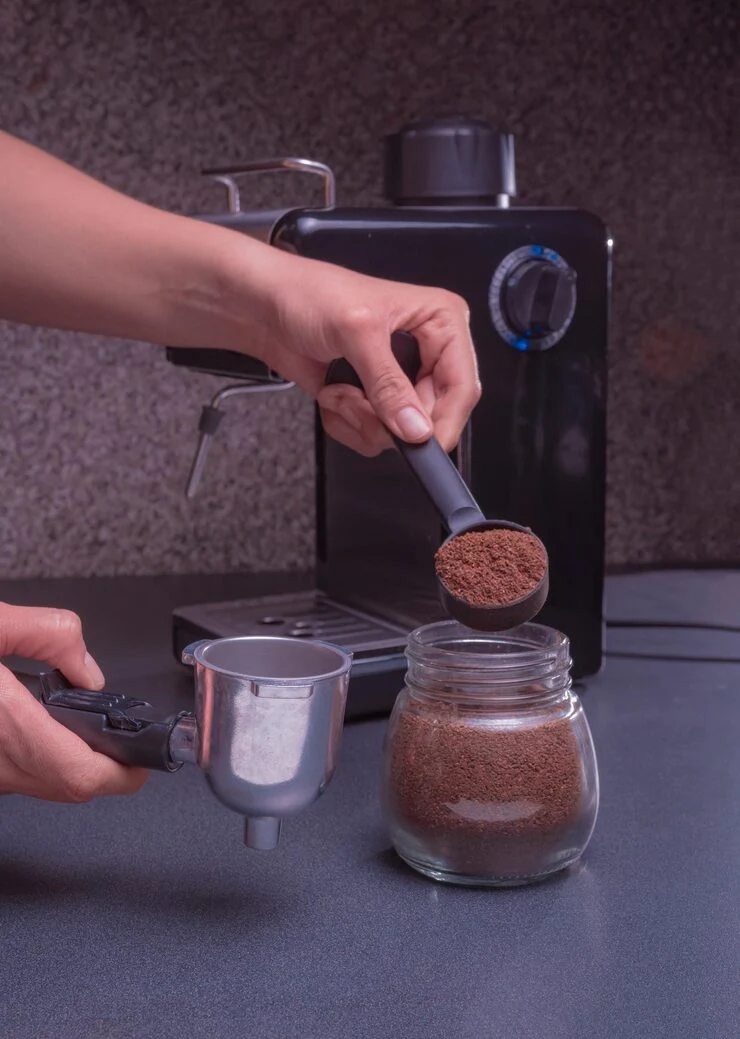
The right coffee for a Morphy Richards coffee maker depends on the machine model. “Coffee powder” can mean either ground coffee or instant coffee, but those are different products: most filter and espresso machines that take loose coffee are designed for ground beans, while instant coffee is dissolved directly in a cup.
Before buying, look up the model number on your machine and check its instruction manual. Morphy Richards has made different coffee appliances, and the filter basket, pressure system and recommended grind can vary.
Match the grind to the way your machine brews
- Drip or filter coffee maker: start with a medium grind intended for filter brewing. If the cup tastes thin or sour, try a slightly finer grind; if it tastes harsh or drains very slowly, try a coarser grind.
- Espresso machine: use coffee labelled for espresso and adjust the grind according to the model's manual. A grind that is too coarse can produce a fast, weak shot; one that is too fine can restrict the flow.
- Pod machine: use the pod type specified for that exact model. Loose grounds and unrelated capsules are not substitutes for a compatible pod.
- Machine with a built-in grinder: follow the manufacturer's bean and grinder guidance, and start with the suggested setting before making small adjustments.
Ground coffee or instant coffee?
Ground coffee is roasted coffee that has been milled; a filter or espresso machine extracts it with hot water. Instant coffee has already been brewed and dried, so it dissolves in water. Unless the manual specifically says otherwise, do not pour instant granules into a filter basket, portafilter or grinder: it will not brew as intended and can leave residue in parts designed for ground coffee.
How much coffee should I use?
Use the amount stated in the manual for your machine and the water volume you are making. If your model gives no starting ratio, follow the coffee pack's brewing instructions and adjust gradually to taste. Measuring by weight is more repeatable than using a heaped spoon, because grind size and how tightly coffee is packed change the amount in a spoonful.
Choosing beans and roast
Roast level is a taste preference, not a machine requirement. A medium roast is a useful starting point for many filter brews; espresso machines can work with a range of roasts when the grind is appropriate. Choose a roast description and flavour profile you enjoy, then change one variable at a time—grind, dose or water amount—so you can tell what improved the cup.
Buy a pack whose grind matches your brewer, or buy whole beans and grind them only if your model supports that workflow. Check the bag for a roast or best-before date and store opened coffee sealed in a cool, dry place.
Quick troubleshooting
- Weak or watery coffee: check the water-to-coffee amount, verify that you selected the right grind, and make sure the filter or basket is fitted correctly.
- Bitter coffee or slow flow: try a coarser grind or a smaller dose; also clean the basket and follow the manual's maintenance instructions.
- Machine will not brew: check the water tank, basket or portafilter fit, and model-specific setup steps. Do not force a component that does not seat properly.
Planning an event or party?
Treat your guests to fresh handcrafted coffee. Tell us your date, location and guest count and we will send a custom catering quote.


